Zero tolerance for harassment and workplace violence
At Seguridad Total, we protect every member of our team with a formal prevention protocol and a confidential reporting channel, in compliance with Karin's Law.
A law that protects those who protect us
Law No. 21,643, known as Karin's Law, is Chilean legislation that formalizes, prevents, and penalizes workplace harassment, sexual harassment, and violence at work. It took effect in August 2024 and applies to both the public and private sectors, including private security.
At Seguridad Total, we fully comply with it: we maintain an active prevention protocol, designated officers, periodic assessment of psychosocial risks, and a confidential reporting channel open to our entire team, without exception.
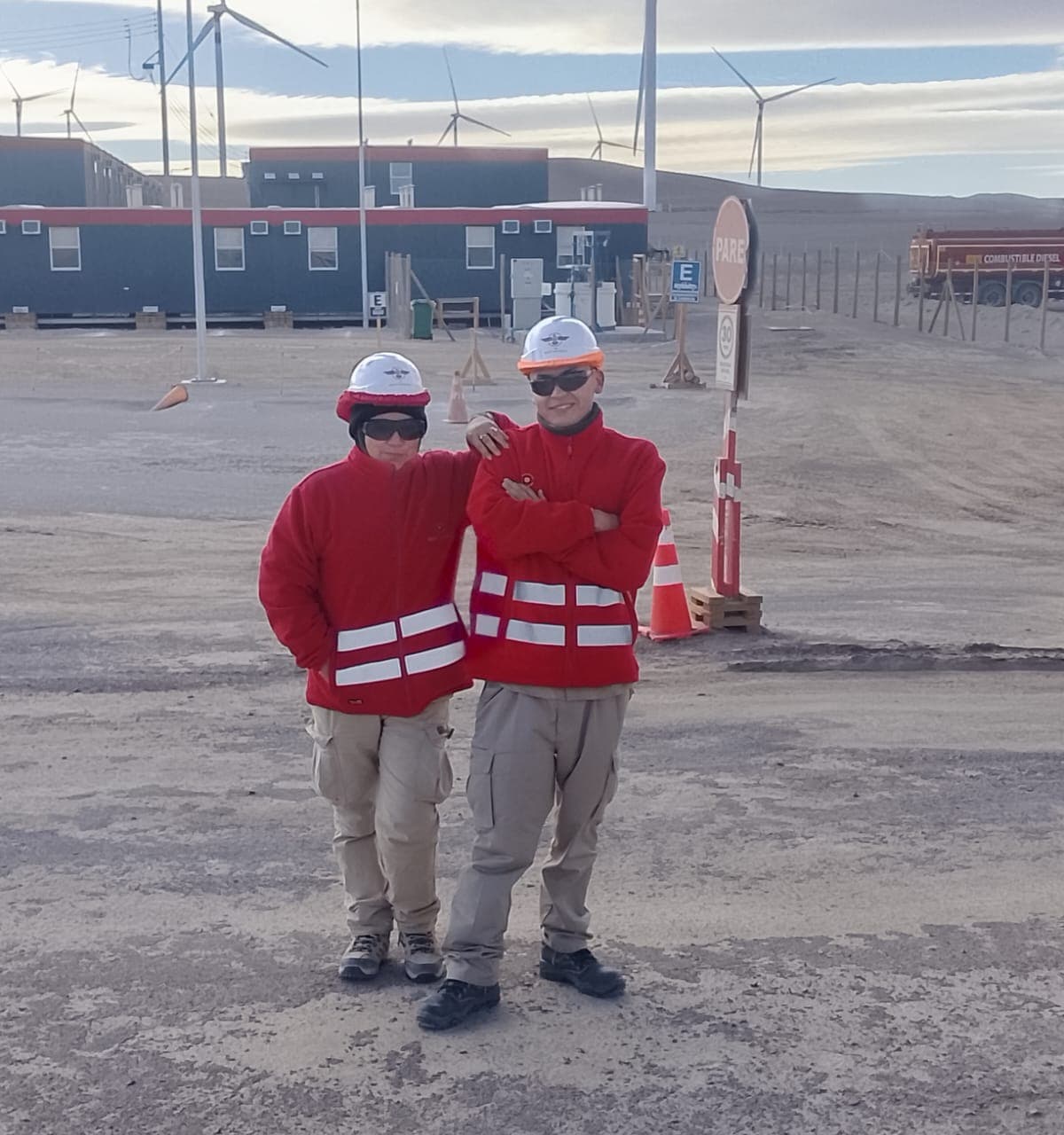
The 3 pillars of Karin's Law
The law recognizes three forms of violence at work. In all three cases, a single incident is enough to activate the protocol — it does not need to be repeated to be reported and sanctioned.
Sexual Harassment
Any non-consensual request of a sexual nature that threatens or harms a person's employment situation, regardless of the means used.
Examples
- Unsolicited sexually explicit messages, photos, or videos sent via WhatsApp, social media, or other digital channels.
- Offering shift, position, or employment benefits in exchange for sexual favors, or making threats for refusing.
- Physical contact or sexually connotated behavior against a worker's will.
- Unwanted sexual comments, insinuations, or requests, even if framed as "a joke".
Workplace Harassment
Aggression or hostile behavior by a supervisor or coworker that results in impairment, mistreatment, or humiliation for the person receiving it.
Examples
- Isolation: forbidding coworkers from interacting with a person or deliberately excluding them from tasks and shared spaces.
- Humiliation: using offensive nicknames, demeaning language, or verbal insults in front of the team.
- Discrimination: mockery based on physical appearance, origin, gender, or other personal traits.
- Abuse of power: demanding demeaning tasks outside a person's role to make them feel inferior.
- Digital harassment: abusive messages, threats, or undue pressure through digital channels.
Third-Party Violence
Aggression, threats, or intimidation from people outside the company while a worker is performing their duties.
Examples
- Physical or verbal aggression from a client, visitor, or supplier during service delivery.
- Threats or intimidation from an intruder or outsider toward a guard or other team member on-site.
- Sexually connotated or discriminatory behavior from a third party outside the company.
Our prevention protocol
Prevention is not improvised. We apply a mandatory four-phase protocol to anticipate and act before a situation of violence or harassment occurs.
Prevention policy
Clear rules and a formal commitment to eradicate harassment and violence, reviewed every two years.
Officer structure
We assign officers responsible for designing, overseeing, and evaluating the protocol.
Risk assessment
We periodically measure psychosocial risks that could affect our team's health and the quality of our service.
Prevention program
Ongoing training, awareness campaigns, and clearly defined reporting channels.
What the law guarantees during the process
Anyone who files a report — or is affected by a situation of harassment or violence — has rights that Seguridad Total safeguards at every stage.
Immediate protection
Immediate protection for the affected person and 100% dignified, impartial treatment throughout the process.
Confidentiality and transparency
The right to receive clear information about the investigation's status and to know who is handling the case.
Zero impunity
The company cannot perform an "admissibility screening": it cannot reject a report — every report must be investigated by law.
Diagnostic matrix
A quick guide to identifying what type of situation you're dealing with.
| Sexual Harassment | Workplace Harassment | Third-Party Violence | |
|---|---|---|---|
| Who commits it? | Coworker or supervisor | Coworker or supervisor | Clients, visitors, suppliers, or intruders |
| What does it seek or cause? | Non-consensual sexual purposes | Impairment, mistreatment, or humiliation | Injury, psychological harm, or intimidation |
| Key example | Unwanted explicit messages | Demeaning insults in front of the team | Physical or verbal aggression from a visitor |
| Does it need to repeat? | No. Once is enough. | No. Once is enough. | No. Once is enough. |
Sanctions and consequences
The severity of the sanction depends on frequency, harm caused, and intent — but a single incident is enough for the maximum sanction to apply.
Serious offenses: immediate dismissal
Under Article 160 of the Labor Code, proven sexual or workplace harassment results in dismissal without severance pay.
Minor offenses: warnings and fines
Applied per the Internal Regulations (Articles 154 and 157) for less severe conduct.
Judicial escalation
If mediation does not resolve the case, the victim may file a labor protection claim. The Labor Directorate is required to report serious incidents to the competent court.
Important: a single incident is enough for the maximum sanction to apply.
Your two paths to action
You can file your report within the company or directly with the labor authority — the choice is yours.
Through the company
A verbal or written report to the officer designated by Seguridad Total, trained in harassment and gender matters.
If the report is verbal, the officer must draw up a written record and give you a stamped copy with the date and time.
Through the Labor Directorate
You can report directly to the labor authority, without going through the company.
- In person: verbally (with a written record) or in writing, before a Labor Assistant.
- Online: through the MIDT portal with ClaveÚnica.
If the report is against a senior company representative, the company must forward it to the Labor Directorate.
How to build your report
To activate the protection protocol, your report (internal or with the Labor Directorate) must include:
Victim's information: full name, national ID (RUT), and email address.
Aggressor's information: identification of the reported person and their role, if possible.
Relationship: organizational relationship (if internal) or type of connection (client, supplier, intruder, etc.), if external.
Account of events: a clear, detailed description of the reported conduct.
Company information: if reporting directly to the Labor Directorate, include Seguridad Total's name and RUT.
Reporting form
If you experienced or witnessed harassment or violence at work, you can report it here.
You can also report by email
prevencionderiesgo@seguridadtotalspa.comCommon questions about Karin's Law
We answer the most common questions about the reporting process and our prevention protocol.
No. A single incident is enough to activate the protocol and, if applicable, the maximum sanction — it doesn't need to be a repeated pattern.